
Comparing Hybrid C&I Energy Systems with AC-Coupled Storage
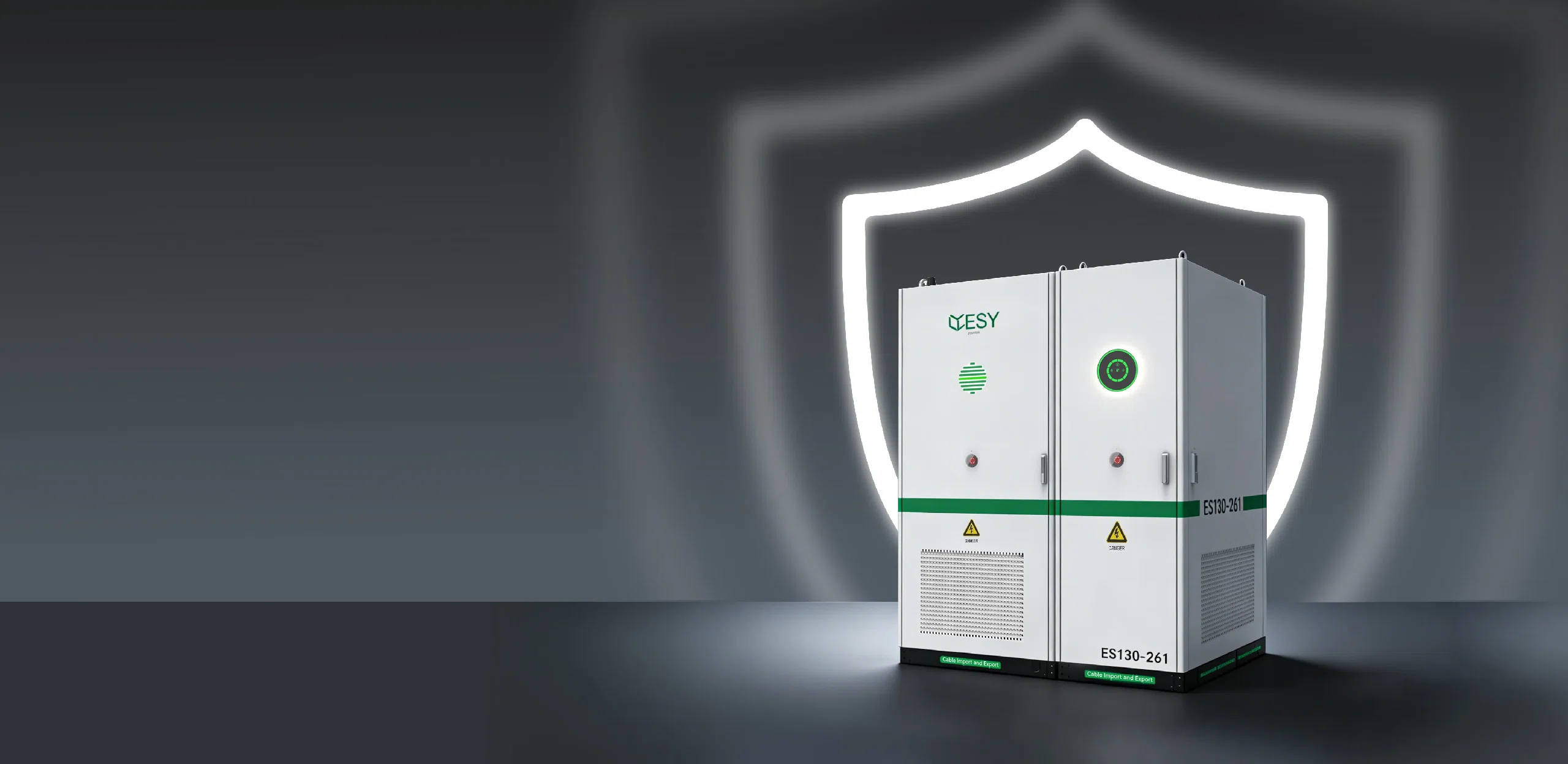
A hybrid C&I energy system combines solar generation, battery storage, and intelligent power management to improve energy efficiency and grid flexibility. Compared with AC-coupled storage, hybrid systems can reduce conversion losses by 2–8%, increase solar utilization, and simplify system design. For commercial and industrial projects after 2025, especially those above 500 kWh, hybrid architectures are increasingly selected because they provide higher efficiency, easier energy control, and better integration with renewable generation.
Commercial and industrial (C&I) facilities are using energy storage systems to reduce electricity costs, support renewable power, and improve energy reliability. A typical C&I site may include factories, warehouses, offices, data centers, or retail buildings with electricity demand ranging from several hundred kilowatts to multiple megawatts. In regions with demand charges, peak electricity usage can represent 30–50% of annual electricity expenses. Energy storage allows facilities to store electricity during low-cost periods and use stored power during high-demand hours.
The architecture of the storage system affects long-term performance. AC-coupled storage has been widely adopted because it can be installed alongside existing solar systems without major changes. In this structure, solar panels connect to a PV inverter, while batteries connect to a separate battery inverter. Both systems exchange electricity through the AC bus. This design provides installation flexibility, especially for facilities that already operate solar systems installed before 2025.
AC-coupled systems usually require more power conversion steps because electricity may move between DC and AC several times before reaching the final load. Each conversion stage introduces energy losses, and inverter efficiency is commonly between 95% and 98% per conversion process.
The additional conversion stages influence total system efficiency. When solar power charges batteries, electricity may pass through a PV inverter, convert from AC back to DC through the battery charger, and later convert from DC to AC during discharge. The overall round-trip efficiency of many AC-coupled systems ranges from 85% to 92%. For a 1 MWh battery system operating 300 cycles per year, a 5% efficiency difference can result in more than 15 MWh of additional usable electricity annually.
Hybrid C&I energy systems use a more integrated design by connecting solar generation and battery storage through a shared power management structure. In many configurations, photovoltaic power and batteries operate on a common DC connection, reducing unnecessary AC/DC conversions. This approach improves energy transfer efficiency and allows solar energy to be stored directly before reaching the AC grid.
The efficiency improvement becomes more noticeable in facilities with high solar generation. A commercial building with a 1 MW solar system and 2 MWh battery storage may process thousands of kilowatt-hours every month. Compared with AC-coupled systems, hybrid designs can improve annual energy efficiency by approximately 2–8%, depending on operating conditions, inverter technology, and control strategy.
The difference between the two architectures can be shown through several technical factors:
| Parameter | Hybrid C&I System | AC-Coupled Storage |
|---|---|---|
| Typical efficiency | 90–96% round-trip efficiency | 85–92% round-trip efficiency |
| Solar integration | Direct connection with storage control | Separate PV and battery systems |
| New project suitability | High | Medium |
| Retrofit capability | Medium | High |
| Equipment quantity | Lower | Higher |
| Control method | Integrated EMS | Multiple independent controllers |
System design also affects installation and maintenance. Hybrid systems combine more functions into fewer hardware units, which can reduce cable requirements, communication interfaces, and equipment coordination work. For large C&I projects above 1 MWh, reducing separate components can shorten installation periods by around 10–20%.
The integrated design is especially useful for facilities requiring multiple energy sources. A scalable C&I microgrid with solar storage and diesel can combine photovoltaic generation, battery storage, and diesel generators to maintain electricity supply during grid interruptions. Such systems are commonly used in industrial sites, remote facilities, healthcare buildings, and critical infrastructure where continuous power availability is required.
Hybrid systems also provide more flexibility for energy management. Modern energy management systems can adjust charging and discharging schedules based on solar production forecasts, electricity prices, and facility demand patterns. For example, batteries can charge when solar output is high during daytime hours and discharge during evening peak periods. In commercial applications, this strategy can reduce peak electricity demand by 20–40%.
Battery operation patterns directly affect system lifetime. Lithium-ion batteries gradually lose capacity due to charging frequency, temperature, and depth of discharge. Advanced hybrid control systems can reduce unnecessary battery cycling by coordinating solar power, grid electricity, and backup generation. In projects operating more than 300 cycles annually, improved charging strategies may help maintain battery capacity above 80% after 8–10 years of operation.
AC-coupled storage still has advantages in existing solar projects. Many commercial buildings already have PV systems installed with independent inverters. Replacing these systems with hybrid equipment may increase construction complexity and require additional engineering work. AC coupling allows companies to add batteries without replacing existing solar equipment, making it suitable for expansion projects after several years of PV operation.
The economic comparison depends on project conditions. New solar-plus-storage installations often benefit from hybrid architectures because the system can be designed as a complete package from the beginning. Existing solar facilities may prefer AC-coupled solutions because installation costs and downtime are lower. Electricity pricing, solar capacity, battery size, and operating cycles all influence the final selection.
A comparison of typical project applications shows:
| Application | Preferred Architecture | Reason |
|---|---|---|
| New solar-storage facility | Hybrid system | Higher efficiency and integrated control |
| Existing PV upgrade | AC-coupled system | Easier installation |
| Industrial microgrid | Hybrid system | Better coordination between energy sources |
| Small storage expansion | AC-coupled system | Lower modification requirements |
The market for C&I energy storage continues to expand as companies increase renewable energy use. In 2024 and 2025, commercial battery projects became larger, with many installations moving from hundreds of kilowatt-hours toward multi-megawatt-hour systems. Larger systems increase the importance of efficiency because small performance differences become significant over thousands of operating hours.
For facilities planning new renewable energy systems, hybrid C&I architectures provide strong performance through improved efficiency, integrated control, and better solar utilization. AC-coupled storage remains suitable for retrofit applications where existing PV systems need additional battery capacity. Companies selecting between the two approaches should evaluate project age, energy demand profile, renewable generation level, and long-term operating requirements. A representative hybrid solution can be found in this commercial industrial ESS PV storage diesel hybrid system designed for integrated solar, storage, and backup power applications.
Stop guessing. Start training like a ranked fighter.
Working fighters, prospects, and coaches use Keith's systems to cut camp planning in half and step into the cage prepared.
Book a Fight-Camp Consult